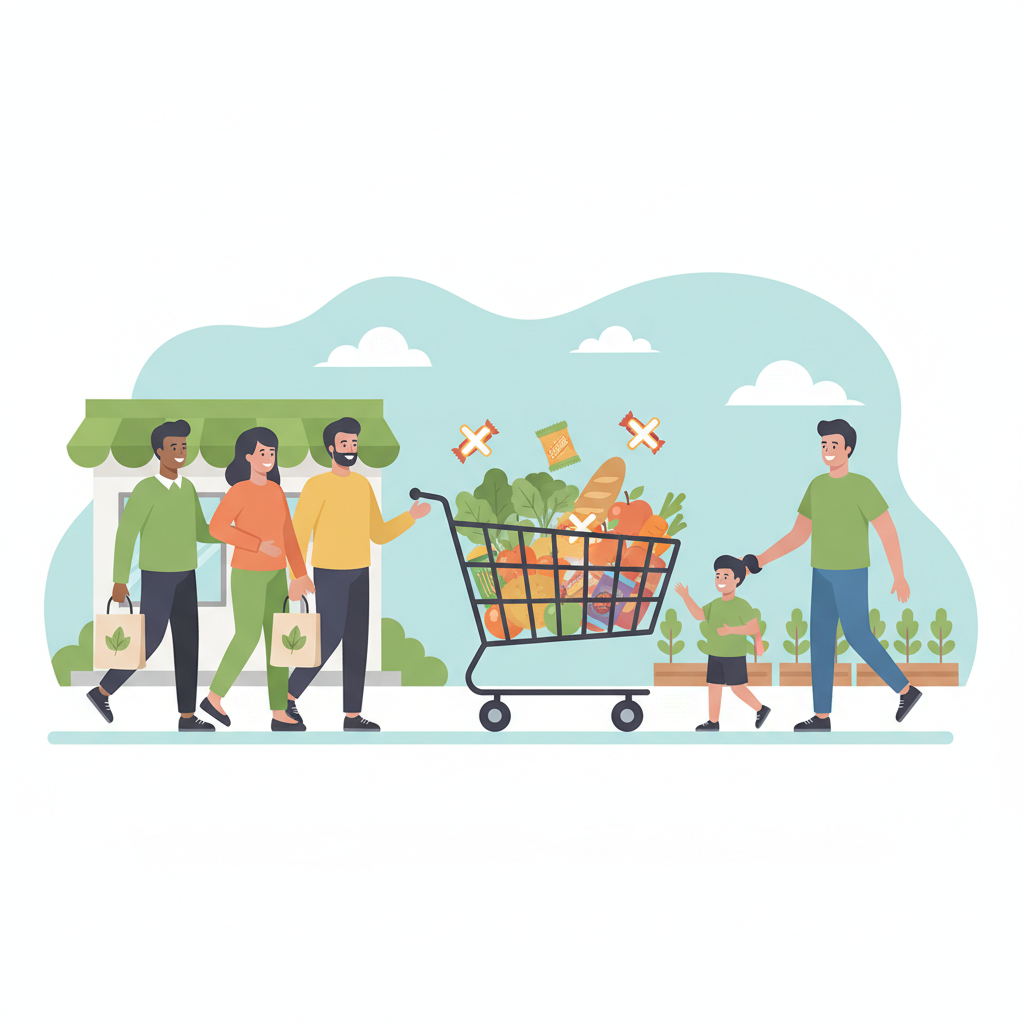
 SNAP News
SNAP Food Restrictions 2026: New State Rules for Candy & Snacks
New SNAP restrictions on candy and snacks are causing confusion at checkout lines. Learn how these state-by-state changes affect your EBT benefits and how to prepare.
If you’ve recently walked down the snack aisle and felt a bit of confusion at the checkout counter, you aren’t alone. A major shift is happening in the world of SNAP benefits, and it’s creating a bit of a "checkerboard" effect across the country. Under the new "Make America Healthy Again" initiative, several states have begun restricting what you can buy with your EBT card, specifically targeting items like candy and snacks.
While the goal of encouraging healthier eating is clear, the rollout has been anything but simple. Because each state is allowed to set its own rules, a snack that is perfectly legal to buy in one state might be declined at the register just across the state line. For families relying on these benefits to put food on the table, this "SNAP chaos" means more than just a headache at the grocery store—it means uncertainty about what will actually be covered when it’s time to pay.
Why Your Grocery List Might Look Different Soon
The root of the current confusion lies in how different states define "unhealthy." According to a recent report by Holland & Knight, states like Louisiana, Oklahoma, and Idaho have already received federal waivers to implement these restrictions. However, they aren't using a single, nationwide list of banned foods. Instead, they are creating their own definitions.
Take a chocolate-covered granola bar, for example. In one state, it might be classified as a "granola product" and remain eligible for SNAP. In a neighboring state, that same bar might be classified as "candy" because of the chocolate coating, making it ineligible. This inconsistency is expected to spread quickly; experts predict that 18 more states will join this movement by October 2026.
For the person behind the register, this is a nightmare. Retailers are facing over $1.6 billion in costs just to update their computer systems to keep track of these changing rules. For you, the shopper, it means you might find that your favorite treats or even some "borderline" healthy snacks are suddenly being rejected by the EBT card reader. This is especially difficult for those living in rural areas where small "mom-and-pop" stores may struggle to keep their systems updated with the latest state-specific bans.
How to Navigate the New SNAP Restrictions
As these changes roll out, the best way to protect your budget is to stay informed about your specific state’s list. We are moving away from a time when SNAP rules were the same everywhere, so being proactive is key to avoiding an awkward or stressful moment at the checkout line.
Here are some practical steps you can take to manage these changes:
- Check Your State’s SNAP Portal: Before you go shopping, log into your state’s official SNAP or Department of Human Services website. They are required to post the specific list of restricted items.
- Download the Provider App: Third-party apps like Provider often update their interfaces to reflect local changes in eligibility, which can help you track what’s allowed in your area.
- Look for Store Signage: Many retailers, especially larger chains, are starting to place "SNAP Eligible" tags on shelf labels to help shoppers identify what will be covered under the new rules.
- Focus on "Whole" Foods: To play it safe, prioritize items that are rarely restricted, such as fresh or frozen produce, plain grains, and proteins. The more processed a snack is, the more likely it is to fall into a restricted category.
- Keep Your Receipts: If an item is declined that you believe should be covered, keep your receipt. You can contact your local SNAP office to clarify the rules or report a potential error in the store's system.
This transition period is likely to be bumpy. With legal challenges expected from retail groups and food manufacturers, the rules may continue to shift throughout 2026. By staying aware of the "Make America Healthy Again" updates in your specific state, you can ensure that you’re using your benefits effectively and avoiding surprises at the register.
Related Articles
2026 Farm Bill Passed: What It Means for Your SNAP Benefits
The House Agriculture Committee has passed the 2026 Farm Bill, which will shape SNAP benefits and eligibility for years to come. Learn what this means for your monthly budget.
SNAP Work Requirements 2026: 2 Million Face Benefit Cuts
New SNAP work requirements are impacting over 2 million Americans as the 80-hour monthly mandate expands to adults up to age 64. Learn how to protect your benefits and meet the new criteria.
SNAP Work Requirements Expanded for Teens Ages 16-17
New SNAP rules now require 16 and 17-year-olds to meet work or school requirements. Learn how to protect your family's benefits and what documentation you need.